
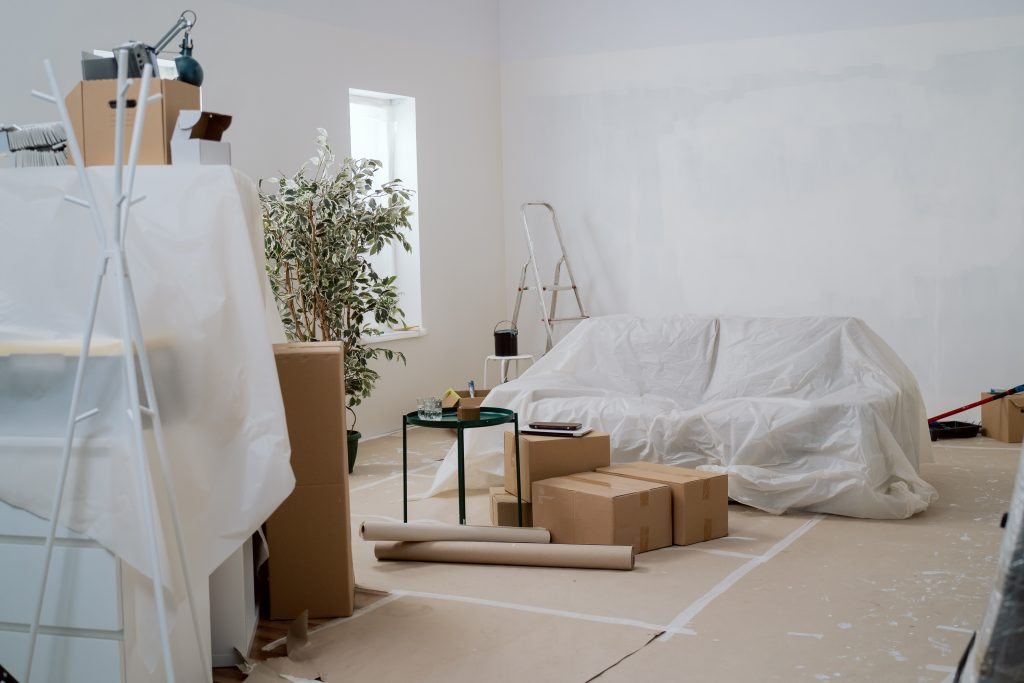
Moving into a new home or leaving an old one always comes with risk to surfaces. Floors get scratched, walls get marked, and corners take the most damage. Therefore, planning how to protect these areas before the first box moves is essential for a smooth and stress-free experience.
Why Surface Protection Matters During Moving
When heavy furniture is carried through tight spaces, even small mistakes can leave visible damage. For example, dragging a sofa across hardwood floors can create deep scratches that are costly to repair. In addition, narrow hallways and door frames often get bumped during fast movements.
Most importantly, protecting your home helps avoid extra repair costs and keeps your property in good condition. This is especially important if you are renting or selling. That is to say, a careful approach during moving protects both your investment and your peace of mind.
Preparing Floors Before Moving Day
Before moving starts, it is important to prepare your floors properly. Firstly, clean the surface to remove dust or debris that could cause scratches. After that, cover high-traffic areas with protective materials like moving blankets, cardboard sheets, or plastic runners.
Using quality residential moving preparation techniques ensures your floors stay safe even during heavy lifting. Moreover, placing non-slip coverings helps prevent accidents while moving large items.
For hardwood or tile floors, adding extra padding is a smart step. Similarly, carpets should be protected from dirt and moisture, especially during rainy or snowy conditions.
How to Protect Walls and Corners
Walls often suffer from accidental bumps when carrying furniture or appliances. However, simple steps can reduce this risk significantly. Using corner guards or foam padding helps protect vulnerable edges.
You can also cover walls with temporary protective sheets in tight areas. For instance, staircases and hallways benefit from extra attention because they experience the most traffic. In addition, removing obstacles such as wall décor or narrow tables creates more space to move safely.
When handling large or delicate items like instruments, hiring professionals for piano moving can prevent both wall damage and item damage. Consequently, this reduces stress and improves overall safety.
Using the Right Moving Equipment
The tools you use during a move make a big difference. Dollies, sliders, and lifting straps help move heavy items without dragging them across the floor. Therefore, using proper equipment is one of the best ways to avoid damage.
Furniture sliders, for example, allow items to glide smoothly without leaving marks. In the same vein, lifting straps reduce the need to tilt or drag heavy objects. These tools not only protect surfaces but also make the process faster and safer.
If you are short on time, choosing same day moving services can help ensure everything is handled efficiently with the right equipment. As a result, your floors and walls stay protected even under tight schedules.
Smart Packing to Prevent Damage
Packing plays a bigger role than many people expect. Loose or poorly packed items can shift and cause damage during movement. For example, sharp edges or exposed furniture parts can scratch walls or floors.
Wrapping furniture with blankets or protective padding is essential. In addition, securing drawers and doors prevents sudden openings during transport. This reduces the risk of hitting walls or corners.
Decluttering before moving also helps minimize risks. Using services like junk removal allows you to get rid of unnecessary items. Consequently, fewer items mean less movement and fewer chances of damage.
Moving Strategy and Planning
A clear moving plan makes everything easier. Firstly, map out the path for moving large items before starting. This helps identify tight spots and areas that need extra protection.
Assigning roles to each person involved in the move improves coordination. Meanwhile, communicating clearly during lifting and turning prevents sudden movements that could damage surfaces.
Taking your time is also important. Rushing often leads to mistakes, which can result in scratches or dents. Therefore, a steady and organized approach is always better.
Professional Help Makes a Difference
Hiring experienced movers can significantly reduce the risk of damage. Professionals understand how to navigate tight spaces and handle heavy items safely. In other words, their experience helps protect your home while speeding up the process.
Working with experts from Foothills Movers ensures that proper techniques and tools are used throughout the move. Moreover, trained movers know how to protect both floors and walls without slowing down the process.
Final Tips for Surface Protection
Simple habits can go a long way in preventing damage. For instance, always lift furniture instead of dragging it. In addition, use protective covers on furniture legs to avoid scratches.
Keeping a toolkit nearby is also helpful. This allows you to quickly fix loose parts or remove obstacles during the move. Above all, staying organized and prepared makes the biggest difference in protecting your home.
FAQs
How can I protect hardwood floors during a move?
Use thick moving blankets, cardboard sheets, or plastic runners. In addition, avoid dragging furniture and always lift or use sliders for heavy items.
What is the best way to protect walls from damage?
Use corner guards, foam padding, or temporary wall covers. Moreover, clear pathways and remove obstacles to reduce accidental contact.
Are furniture sliders effective for preventing scratches?
Yes, furniture sliders help move heavy items smoothly without damaging floors. Therefore, they are a simple and effective tool for protection.
Should I remove items before moving large furniture?
Yes, removing wall décor and small furniture creates more space. As a result, it reduces the chances of hitting walls or corners.
Is hiring professional movers worth it for protection?
Yes, professional movers use proper equipment and techniques. Consequently, they help prevent damage to both your belongings and your home surfaces.