
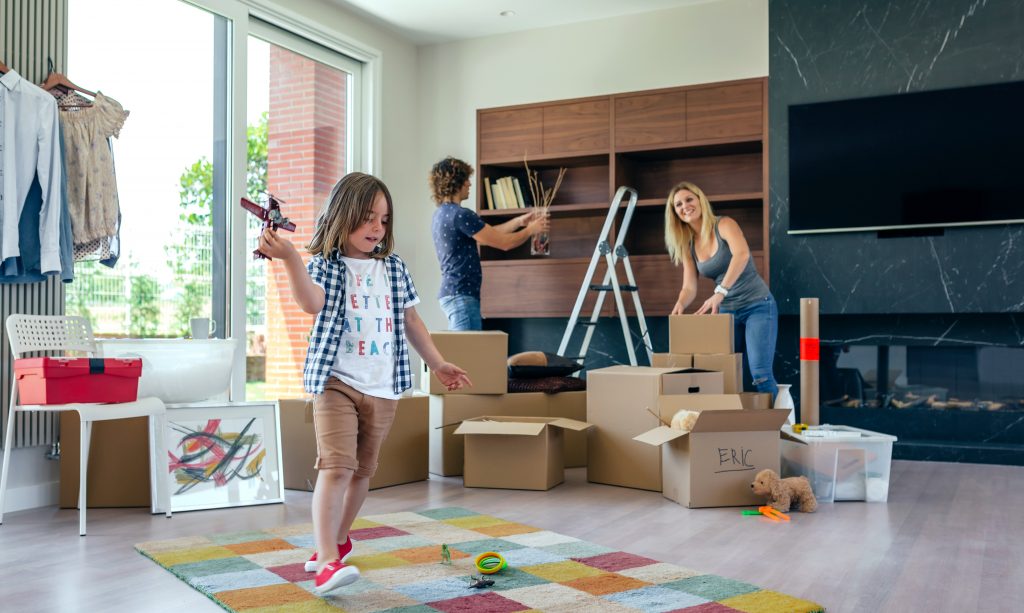
When time feels tight, your moving packing order becomes the difference between calm progress and total chaos. Most people don’t struggle with packing itself; they struggle with knowing where to begin. At Foothills Movers, we’ve seen that starting with the right items first makes the entire move smoother and far less stressful.
If you pack randomly, you will likely need to reopen boxes again and again. However, when you follow a clear plan, each room gradually becomes organized and ready for transport. Therefore, understanding what to pack first is the foundation of a successful move.
Moving Packing Order: Start With What You Rarely Use
A smart moving packing order always begins with items you won’t need before moving day. This includes seasonal décor, extra linens, books you’re not currently reading, and storage items tucked away in closets.
For example, if you’re moving in spring, winter coats, holiday decorations, and snow gear can go into boxes right away. In addition, spare bedding, guest room items, and rarely used kitchen appliances like specialty mixers or holiday platters are safe to pack early.
This strategy helps reduce clutter quickly. Consequently, your home begins to feel lighter and more manageable, which lowers stress as moving day approaches.
Pack Decorative and Display Items Next
After storage items, move on to décor and non-essential display pieces. Wall art, photo frames, decorative shelves, vases, and collectibles can all be packed once you’re certain you won’t need them before the move.
Wrap fragile items carefully and label them clearly. Above all, protect glass and ceramics with proper padding to avoid damage in transit. If you have large or delicate pieces, our team at Foothills Movers can guide you through safe handling methods.
Packing décor early also gives your home a clean, staged appearance. Meanwhile, it allows you to focus your attention on more functional areas of the house.
Sort and Pack Spare Clothing
Your moving packing order should then shift to clothing you don’t wear weekly. Off-season clothes, extra shoes, formal wear, and rarely used accessories can be boxed well ahead of time.
Keep only enough outfits for the remaining days before your move. That is to say, create a small “live out of” suitcase for each family member. This prevents last-minute scrambling through sealed boxes.
If you’re planning a quick relocation and need urgent support, our same day moving services are available to help streamline the process when timelines are tight.
Begin Reducing the Kitchen Gradually
The kitchen often feels overwhelming. However, it becomes manageable when you pack it in layers. Start with duplicate utensils, specialty bakeware, and items stored in upper cabinets.
Leave everyday dishes, coffee makers, and essential cookware for last. In addition, try using up perishable food before moving day to minimize what needs to be transported.
Small kitchen appliances that are rarely used can be boxed early. For instance, waffle makers, slow cookers, and serving trays can safely be packed once cleaned and wrapped properly.
Handle Paperwork and Important Documents Carefully
While packing non-essentials, set aside a clearly labeled folder for critical documents. Passports, contracts, insurance papers, medical records, and moving agreements should never go into random boxes.
Keep these documents in a personal bag that stays with you during the move. Similarly, store valuables like jewelry and small electronics separately for added security.
If you are planning a household transition, our residential moving solutions are structured to support organized, step-by-step relocation without confusion.
Office Equipment and Work Items
For those working remotely, your office should be packed strategically. Start with extra office supplies, archived files, and books you don’t reference daily.
Leave your computer, router, and daily-use tools until the final stage. Therefore, your workflow remains uninterrupted for as long as possible.
Businesses preparing for relocation should also approach packing in phases. Our office moving services are designed to minimize downtime and maintain operational efficiency throughout the transition.
Specialty Items Require Early Planning
Certain items need special attention and should never be left to the last minute. Pianos, large artwork, gym equipment, and fragile antiques require planning and proper preparation.
For example, if you own a piano, scheduling professional handling early prevents delays. Our piano moving service includes protective preparation and careful transport to ensure safety.
Specialty items should be assessed early in your moving packing order so you can coordinate equipment, timing, and protection materials properly.
What Not to Pack Too Early
While it’s important to start early, avoid packing these items too soon:
• Daily toiletries
• Phone chargers and electronics
• Basic cookware and utensils
• Medications
• Cleaning supplies
Keep these accessible until the final 24 hours before your move. After that, pack them into clearly marked “Open First” boxes.
A thoughtful moving packing order prevents unnecessary reopening of boxes and keeps daily routines intact until the very end.
Final Preparation Before Moving Day
As moving day approaches, focus on finishing essentials. Disassemble furniture if needed, unplug appliances, and confirm box labels.
Most importantly, double-check that all fragile items are secured. In conclusion, packing in the right sequence transforms what feels overwhelming into a structured, manageable process.
At Foothills Movers, organization is always the first step toward a successful relocation. Whether you are moving a home, an office, or specialty items, preparation always determines the outcome.
Frequently Asked Questions
1. How early should I start packing before a move?
Ideally, begin packing non-essential items three to four weeks before moving day. Therefore, you avoid last-minute stress and give yourself enough time to organize properly.
2. What room should I pack first?
Start with storage spaces, guest rooms, and décor areas. These rooms contain items you use least often, making them ideal for early packing.
3. Should I pack important documents with everything else?
No. Important documents should stay in a personal bag that travels with you. This prevents loss and ensures easy access when needed.
4. How do I pack fragile items safely?
Wrap each fragile item individually using protective padding. In addition, label boxes clearly and avoid overpacking to reduce pressure and breakage.
5. What is the biggest mistake people make when packing?
The most common mistake is ignoring a structured moving packing order. Random packing creates confusion, delays, and unnecessary stress on moving day.