
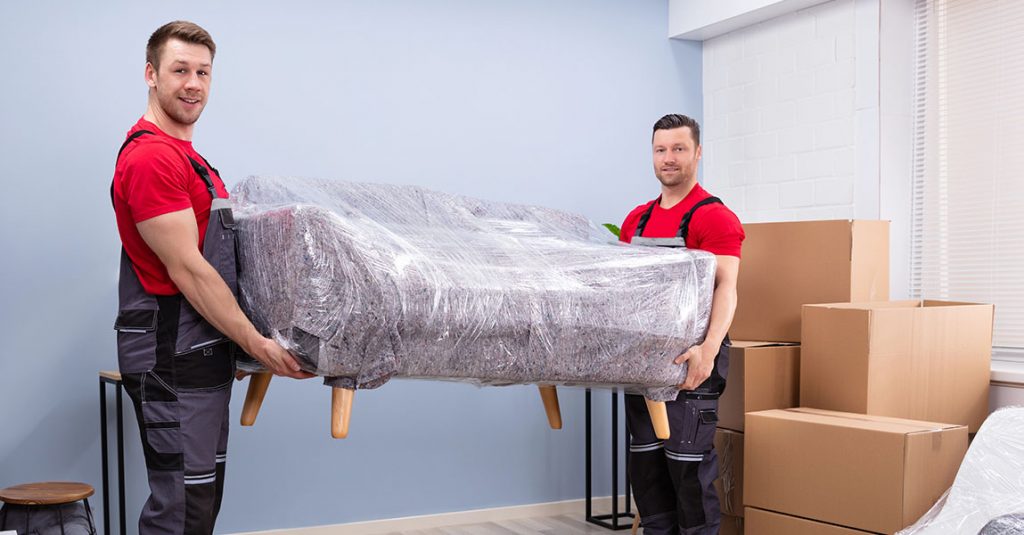
Most people grab whatever’s on hand when packing for a move. Bubble wrap and moving blankets both seem like reasonable choices, but they protect items in very different ways. Foothills Moving & Storage sees the results of this choice firsthand, often after the damage is already done.
Neither material works for every situation. Instead, the right choice depends on what you’re protecting and how it travels through the move. Therefore, understanding the real differences helps you avoid costly mistakes before moving day arrives.
What moving blankets actually do well
Moving blankets excel at cushioning large, flat surfaces during transport. They wrap around dressers, tables, and cabinets, absorbing bumps as items shift slightly inside the truck. Additionally, blankets prevent surface scratches when furniture rubs against other items during loading.
Our residential moving team uses blankets as a first layer on most wood furniture. However, blankets alone don’t stop sharp impacts or protect delicate corners from direct hits. They work best combined with other materials, not as a standalone solution.
Where bubble wrap does a better job
Bubble wrap shines with fragile, irregularly shaped items that blankets can’t fully cushion. Glassware, lamps, and decorative pieces benefit from the air pockets that absorb sudden shocks. Consequently, bubble wrap prevents the kind of cracking that a blanket alone might miss entirely.
Our professional packing services use bubble wrap specifically for items with delicate edges or uneven surfaces. For example, picture frames and mirrors get bubble wrap first, then a blanket layer for additional cushioning during transport.
Why combining both materials works best
Smart movers don’t choose one material exclusively. Instead, they layer materials based on what each piece needs. A wood dresser might get a blanket wrap with bubble wrap reinforcing the corners, where impact risk runs highest.
This layered approach costs slightly more upfront. However, it costs far less than replacing a damaged dresser or repairing a scratched dining table. Therefore, thinking of wrapping materials as protection rather than an unnecessary expense changes the entire calculation.
Long-term storage changes the equation
Items going into storage need different protection than items traveling directly to a new home. Our storage services account for this difference, recommending heavier protection for anything sitting unused for weeks or months. Blankets alone often aren’t enough for long-term storage, since dust and moisture become bigger concerns over time.
Bubble wrap helps seal smaller items from dust during extended storage periods. Furthermore, plastic covering over blanket-wrapped furniture adds an extra layer against humidity, which matters more in storage than during a same-day move.
Specialty items need specific wrapping strategies
Standard wrapping rules don’t always apply to unusual items. Our piano and gun safe moving jobs use heavier padding designed specifically for weight distribution, not just surface protection. A piano’s exposed keys and pedals need targeted wrapping that differs significantly from wrapping a regular cabinet.
This specialized approach matters because generic blanket-and-wrap combinations sometimes miss the most vulnerable points on oddly shaped items. Crews trained on specialty moves know exactly where extra padding needs to go.
Technique matters as much as material choice
Even the best materials fail without proper technique. Wrapping too loosely allows padding to shift during transport, defeating the purpose entirely. Wrapping too tightly can sometimes damage delicate finishes through excessive pressure on sensitive surfaces.
A trained crew knows how much pressure each material needs for each furniture type. This experience comes from handling countless pieces across many different moves, not from following a generic packing checklist found online.
Making the right choice for your move
Start by separating fragile items from sturdy furniture. Fragile pieces need bubble wrap as a first layer. Sturdy furniture usually does fine with blankets alone, reserving bubble wrap for corners and edges where impact risk runs highest.
Foothills Moving & Storage discusses material choices honestly during every quote, the same way we explain equipment needs for our gun safe moving services and other specialty jobs. Consequently, your furniture gets the right protection without unnecessary added cost.
FAQs
Is bubble wrap better than moving blankets for furniture?
It depends on the item. Bubble wrap suits fragile, irregular shapes, while blankets work better for large, flat surfaces. Combining both often provides the strongest overall protection during a move.
Can I use only blankets for fragile items like glassware?
Not recommended. Blankets cushion against bumps but don’t absorb sharp impacts well. Bubble wrap protects fragile items more effectively, especially glassware, lamps, and decorative pieces with uneven surfaces.
Do items in storage need different wrapping than items moving directly?
Yes, often. Long-term storage benefits from heavier protection against dust and moisture. Plastic covering over blanket-wrapped furniture adds extra protection that a same-day move typically doesn’t require.
Why do pianos need different wrapping than regular furniture?
Pianos have exposed keys, pedals, and uneven weight distribution. Standard blanket-and-wrap combinations often miss these vulnerable points, so specialty moves use targeted padding designed specifically for the instrument’s shape.
Does using both bubble wrap and blankets cost much more?
Slightly more upfront, but significantly less than repairing or replacing damaged furniture. The layered approach protects high-risk areas like corners while keeping overall packing costs reasonable for most moves.